
TWENTY-FIVE YEARS LATER, ALMOST FAMOUS STILL NAILS THE MEDIA PROBLEM
A phenomenal film popped up on my screen the other day, and it hit me: it’s been twenty-five years since Almost Famous came out. Twenty-five years. It’s one of Cameron Crowe’s best, and it came out the same year I first went on the air. And the reason I bring it up now is because the movie has one of the greatest lessons about journalism — one that matters even more today with rage-baiting, algorithms, and the emotional manipulation built into modern media.
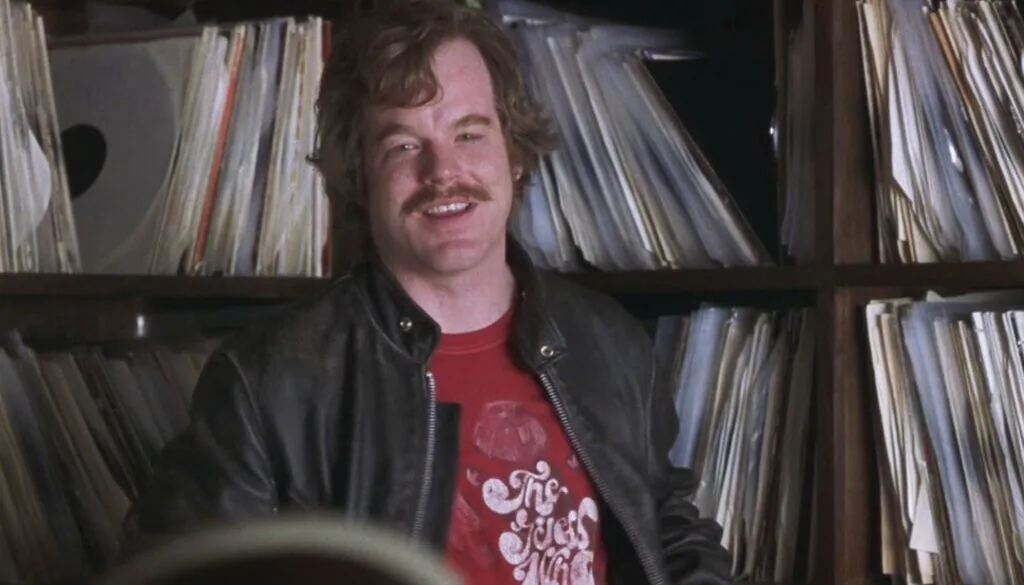
If you’re not familiar with the film, it follows a young writer sent on the road in the early 1970s to cover a rising rock band. Throughout the movie he talks with legendary music critic Lester Bangs (played brilliantly by Philip Seymour Hoffman). And Bangs gives him the one piece of advice every journalist should live by:
“They are not your friends. They will try to charm you, flatter you, distract you — but the best thing you can do for them is to be honest. Be honest and be merciless, and you’ll make them better.”
I’ve thought about that line for years. Because we now have an incestuous relationship between media and political power. Reporters aren’t just close to politicians — they’re embedded with them. They date them. They marry them. They work for them. Then they return to TV studios as “analysts.” It happens on both sides.
Imagine if judges behaved that way. They recuse themselves from cases when there’s a conflict of interest. But in politics? Your spouse works in the administration, and you get a prime-time show. You work in the White House one year, you’re on cable news the next. How does anyone expect honesty from that arrangement?
Think of sports. Retired players become coaches — fine. But we’d never let a former shortstop become the umpire calling balls and strikes for his old team. Yet that’s exactly what we do in media.
And it shows. The White House Correspondents’ Dinner is one thing — a once-a-year roast, no big deal. But reporters hanging out in owners’ boxes at the Super Bowl with politicians? Trading favors? Developing personal loyalty? That corrodes the one thing journalism must have to function: independence.
Look at the lineup today: Nicole Wallace — former Bush administration communications — now at MSNBC. Kayleigh McEnany goes from the Trump White House to Fox News. Jen Psaki goes from the Biden White House to MSNBC. Duffy’s wife over at Fox. And on and on and on.
You’re telling me none of these people could find another line of work? Of course they could. But media outlets hire them for access. For insider status. For loyalty. Not objectivity.
And once you become part of a political team, you stop doing real journalism. You stop asking hard questions. You stop challenging the people you worked with. You’re no longer a watchdog; you’re a spokesperson with better lighting.
Which means we — the public — have to do the job ourselves. We have to remember the same lesson Lester Bangs gave that kid: don’t fall in love with the people you’re supposed to hold accountable.
And that includes the politicians you voted for.
This is where people get so emotional. They treat politicians like celebrities or sports heroes. They go to rallies cheering like they’re watching a rock concert. And I’ve never understood it. These people are not special. They’re not royalty. They’re employees. They work for us.
Applaud when they get something right? Fine. But blind loyalty? No. If anything, the ones you voted for deserve morescrutiny — not less. Because they have your trust, and trust is powerful currency.
People get furious when I criticize someone they supported. They say I’m betraying “their side.” But I always ask the same thing:
“Show me what I said that isn’t true. Show me where the facts are wrong.”
They never can. Because the discomfort isn’t about accuracy — it’s about loyalty. They feel like I insulted their child at a Little League game. But these politicians aren’t your kids. They’re adults with power who must be held to account.
That’s the whole point of this job: truth without mercy. Honesty over access. Accountability over fan service.
If more Americans approached politics that way, this country would be in far better shape.